
Do these 4 things to eat your favorite foods and still hit your goals
We’ve all been there: it’s 7:00 PM, you’re starving, and you realize you only have 200 calories left for the day.
Suckiest feeling ever.
Suddenly, that your “I’m going to get healthier” plan goes out the window because your brain is in panic mode, and wants Coldstone.
The secret to staying on track isn't actually "willpower"—it’s logistics. If you treat your calories like a bank account, you stop overspending before you even get to the store. Here is why planning your plate before you pick up a fork is a total game-changer for your health and weight loss goals.
Track Your Food Before You Eat (The 30-Minute Rule)
The single most effective habit you can build is logging your food before it enters your mouth. Ideally, take 30 minutes in the morning or the night before to map out your day in your food diary - you can do this during YouTube ads, I promise!
The Science: This reduces decision fatigue. We make roughly 200 food-related decisions every day. By the time evening rolls around, our brain is exhausted. When you plan ahead, you aren't "deciding" what to eat while hungry; you are simply following a plan you’ve already created:)
The Flexibility: Remember, a food diary isn't a contract. If you decide you want less rice or a different snack, you can always adjust the portions later. Tracking first removes the stress and guilt of wondering if you've overshot your limit.
Work Backwards: Log Dinner and Night Snacks First
Most people find it easy to control a boring breakfast or a quick work lunch. The wheels usually fall off in the evening when you’re hanging out with family or relaxing.
The Strategy: Log your dinner and those late-night snacks first. Once those "high-value" calories are locked in, see what’s left and work backward to fill in breakfast and lunch.
Why it Works: This ensures you aren't "starving" during the most social part of your day. It’s much easier to eat a slightly smaller salad at lunch knowing you have a full plate of lasagna and a snack waiting for you at home.
Prioritize Protein First
When you start building your meals, always put your protein source first (chicken, tofu, fish, lean beef, egg whites, Greek yogurt, protein powder, etc.), then fit everything else around it.
The Science: Protein has the highest Thermic Effect of Food (TEF), meaning your body burns more calories digesting protein than it does fats or carbs. More importantly, protein makes us feel FULL and triggers satiety hormones, which also tells your brain you are actually full.
The Volume Eating Hack
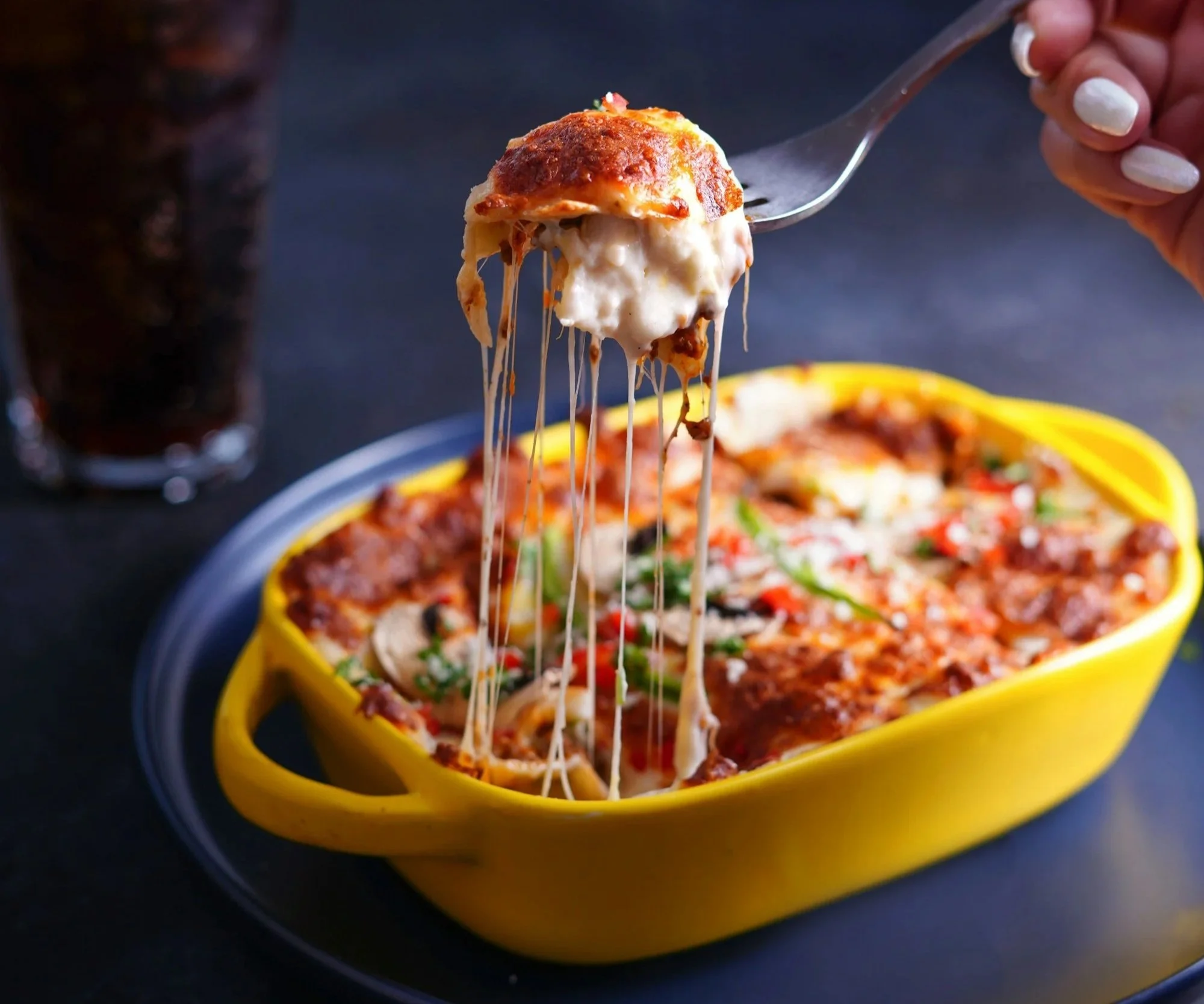
You don’t have to eat tiny portions to lose weight; you just have to be smart about calorie density. If you’re meal prepping something delicious but calorie-dense—like a "Millionaire Lasagna"—you don't have to skip it.
The Tweak: Cut a smaller portion of the main dish and fill the rest of the plate with a bag of steam-fresh vegetables.
Why it Works: Vegetables have very few calories and a lot of fiber, which physically stretches the stomach lining. This sends signals to your brain that you've eaten a large volume of food. Adding an Oikos Triple Zero yogurt on the side adds even more protein for very little cost to your budget.
IMPORTANT: The Power of the Scale
To make all of this work, there is one tool that beats everything else: the food scale. Sometimes people feel hesitant about weighing their food, but it is more than okay—it's actually the smartest thing you can do.
Think about it: we weigh out the ingredients for a perfect cake recipe, we measure out baby formula to ensure a newborn gets exactly what they need, and we measure our dogs' kibble so they stay healthy and fit. Why would we treat our own bodies with less care?
Using grams is the most accurate way to ensure your daily calorie budget is honest. Weighing your food isn't about being obsessive; it’s about being intentional. It’s about taking care of the only body you have by giving it exactly what it needs to thrive!